

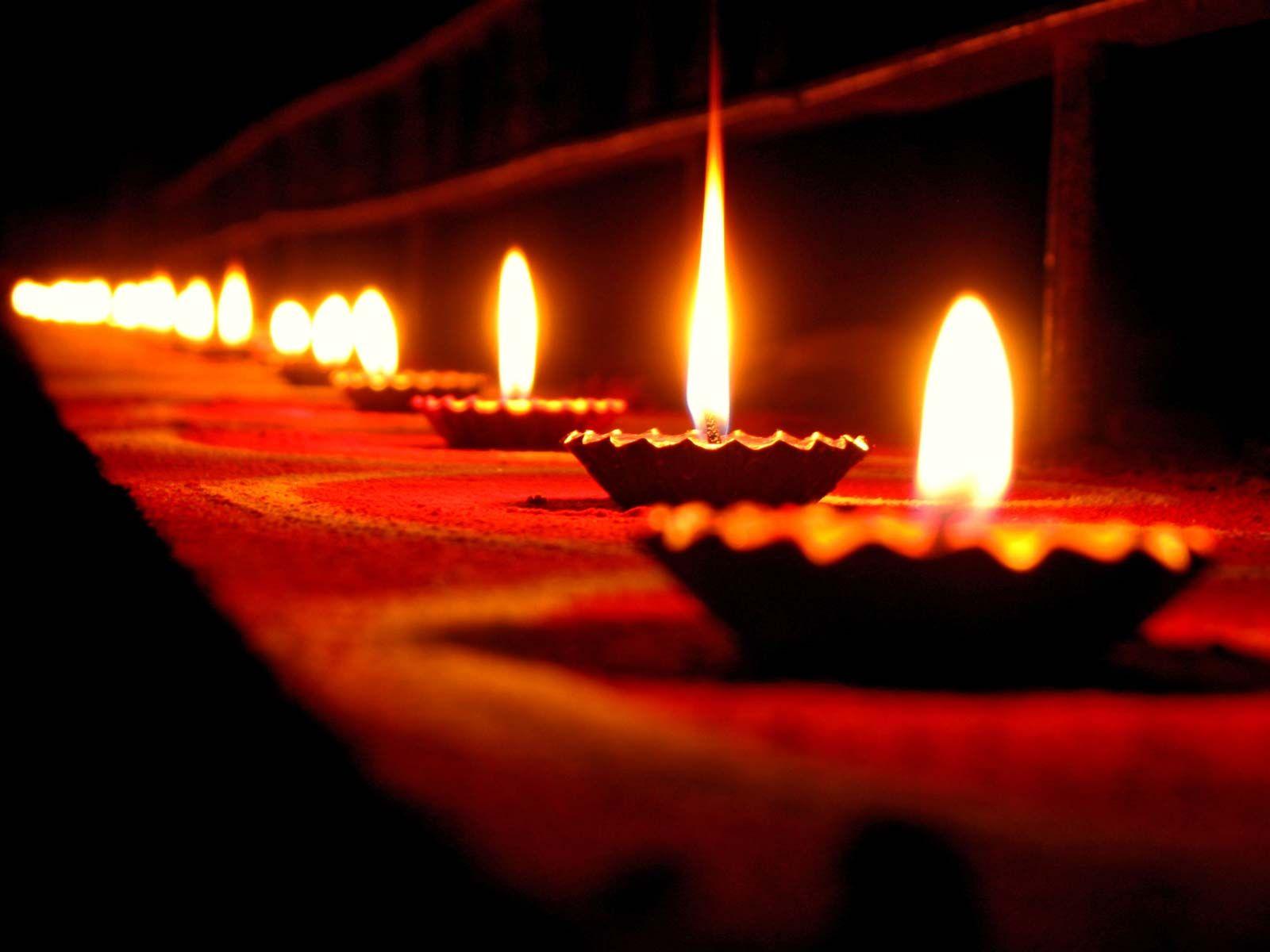
Festivals in Indian culture go beyond celebrations, rituals and traditions. They are deeply connected with nature, beliefs, heritage, human relationships and the values that shape everyday life. Many Indian festivals reflect seasonal changes, the rhythms of nature and broader aspects of human existence. Diwali is one such festival.
The mention of Diwali brings to mind rows of illuminated lamps, brightly decorated homes, the exchange of sweets and celebrations with family and friends. However, its significance extends far beyond the ritual of lighting lamps. The deeper message of the festival lies in the values of light, knowledge, truth, goodness and humanity.
A lamp dispels darkness. In the same way, knowledge removes ignorance, wisdom overcomes superstition, and truth triumphs over falsehood. Viewed in this broader sense, Diwali is an occasion to overcome the darkness within ourselves and make room for positive thoughts and values.
Along with lighting lamps in our homes, we must also illuminate our hearts with love, compassion, patience, mutual respect and peaceful coexistence. Walls of hatred built in the name of caste, religion, language and social divisions must give way to stronger bonds of humanity. Only then can the light of Diwali bring true meaning to our lives.
Historical and cultural significance
Diwali has several mythological and historical associations across different religious traditions. According to the Ramayana, people in Ayodhya celebrated Lord Rama's return after 14 years of exile by lighting lamps. Naraka Chaturdashi is traditionally observed to commemorate the defeat of the demon Narakasura.
In Jainism, Diwali holds special significance as the day associated with the attainment of nirvana by Lord Mahavira. In the Sikh tradition, the occasion is marked by Bandi Chhor Divas, commemorating the release of Guru Hargobind Sahib.
Thus, Diwali occupies an important place in different religious and cultural traditions. Although the forms of observance vary, themes of light, goodness, hope and prosperity are common to these celebrations.
Light belongs to no one community. Sunlight reaches everyone equally, and the flame of a lamp makes no distinction based on caste, religion or community. A person living in darkness needs light; what matters is not the religion of the person who lights the lamp, but the light itself.
Festivals, likewise, should provide opportunities to strengthen human relationships. Celebrating Diwali is part of the faith and tradition of one religious community, while respecting that celebration is a shared social responsibility. Sharing the joy of another community's festival does not mean adopting or subscribing to its religious beliefs. Rather, it reflects mutual respect and the spirit of peaceful coexistence.
The beauty of India's pluralistic society lies in the ability of diverse communities to live together while respecting one another's traditions. Another community's festival need not remain unfamiliar or distant. Participating in a neighbour's celebrations, exchanging greetings and sharing sweets are simple yet meaningful ways of strengthening social harmony.
Environmental responsibility is equally important when celebrating festivals. Adopting eco-friendly practices has become a necessity. Festivals should not become occasions for unnecessary expenditure, extravagance or unhealthy competition. Instead, they should encourage people to share happiness and extend kindness to others.
Efforts must also be made to bring the joy of the festival into the lives of economically disadvantaged sections of society. Helping those in need, providing food to the hungry, respecting the elderly and bringing smiles to children's faces should be integral to the spirit of celebration.
Safety and responsibility during celebrations
Particular care is necessary when using firecrackers during Diwali. Children should never be allowed to burst crackers without direct adult supervision. Even a moment of carelessness can result in serious eye injuries. No one should have to spend a lifetime regretting the loss of eyesight for the sake of a few moments of celebration.
Diwali should be a festival in which people enjoy the glow of lamps, not one in which careless handling of firecrackers puts their lives and well-being at risk. Maintaining a safe distance, following necessary precautions and keeping children away from dangerous fireworks are responsibilities that everyone must take seriously.
What society needs today is not merely the light of lamps in courtyards, but the light of harmony in people's hearts. Instead of allowing hatred to grow in the name of religion, there is a need for wisdom to recognise the shared human values that run across religious traditions. People must learn to live with mutual respect even when they differ in their beliefs and opinions.
Diwali should not remain a celebration confined to a single day. It should inspire us to practise goodness in our everyday lives. May the darkness of ignorance, superstition, jealousy, hatred and arrogance give way to the light of knowledge, love, compassion, equality and peaceful coexistence.
May the lamps illuminate not just our homes but also our hearts. Let festivals become bridges that bring people together rather than walls that divide them. This is the broader message of Diwali and the spirit of India's pluralistic heritage.
May the light of peace, happiness and communal harmony continue to shine in everyone's life.
M.R. Manvi, the author of this article, is a senior Kannada journalist who has consistently worked towards promoting Hindu-Muslim unity and communal harmony.